
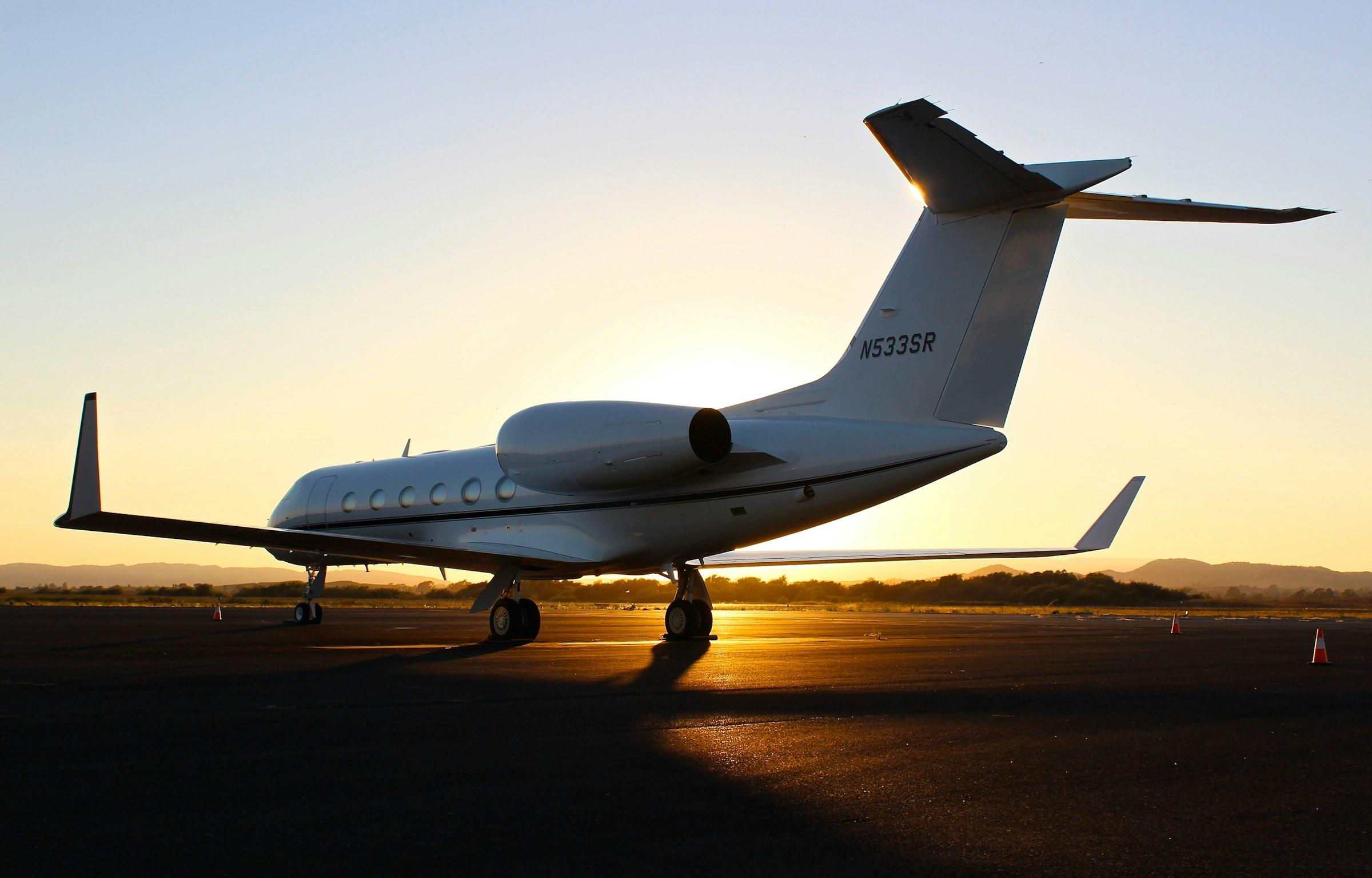
Kannur MRO · Strategic investment opportunity
Own 15% of India's next MRO gateway.
The first MRO in Kerala, at Kannur International Airport. A ₹1,000 Cr build-own-operate project designed to capture India's MRO boom, cut foreign dependency and serve the Middle East transit corridor.
- Total project cost
- ₹1,000 Cr
- Equity on offer
- 15%
- Model
- BOO / BOT
- Airside MRO zone
- 12,000 sqm
Market inflection point
Fleet doubling. Policy shifting. Demand locked in.
India's fleet is set to double from 1,200 to 2,400 aircraft by 2030, while maintenance is still done abroad. Policy now rewards doing it at home: 0% GST on MRO services at airport SEZs, customs duty waived on spares and 100% FDI on the automatic route.
$4.4B → $5.7B
India MRO market, 2025–2030
3rd-largest aviation market globally
1,740
New aircraft on order
IndiGo + Air India: guaranteed base-check demand
75%
Spend in engines & airframe
Kannur's engine shop + bays capture both
2.2 Cr
Kerala passengers
with zero local heavy-maintenance capability
Deal structure
₹150 Cr of equity unlocks a ₹1,000 Cr platform.
15% equity anchors the project with board rights and pro-rata returns. 85% debt and other capital is phased against construction milestones.
Equity is drawn only against milestone completion certificates: ₹50 Cr at construction start, then ₹100 Cr on DGCA Part-145 approval (around month 9).
Equity on offer
₹150 Cr
Seed + Series A tranche, board seat, anti-dilution, 5-year lock with an exit option.
Debt & other
₹850 Cr
9.2% term loan, NIIF A&D, KIAL land as quasi-equity, eligible for viability gap funding.
Phased capex
₹400 / ₹350 / ₹250 Cr
Phase 1 hangars & line shops, Phase 2 engine shop, Phase 3 back-shops & CFC.
Concession
30 + 10 years
4% revenue share with KIAL; asset transfer at book value at the end of the term; BOT conversion option after year 7.
Business model
Five revenue engines. One resilient model.
A balanced mix avoids dependence on any single client. Base checks provide stability, the engine shop drives margin and the CFC unlocks annuity income.
Target revenue mix
Steady state, year 3 · share of revenue
- Base Maintenance35%
C & D checks for narrow-bodies, ~₹1.8 Cr per check
- Engine Shop25%
CFM56 / LEAP quick-turn: highest margin at 52% EBITDA
- Line Maintenance20%
Daily checks across Kerala's 4 airports: cash from day one
- Component & Landing Gear12%
Wheels, brakes, avionics via the Mattannur MSME cluster
- CFC & Leasing8%
Facility leases, tooling pool, academy fees: annuity income
Five-year projection
Year 1 vs year 5, ₹ Cr · base case
- Year 1
- Year 5
Returns
Returns that compound with fleet growth.
The equity share of profit scales with EBITDA expansion to 45% by year 5.
- Dividends from year 3 at 30% of PAT, with a buyback option in year 5 at a 1.8× invested-capital floor.
- Exit routes: strategic sale to an OEM MRO, or a listing. Comparable Indian MROs trade at 8–10× EBITDA.
- Upside not counted: CFC leasing, the training academy and a third-party component pool could add 12% to revenue.
28%
Post-tax project IRR
3.8 yrs
Payback, base case
197%
Equity ROI at 6× EBITDA exit
₹44.5 Cr
15% share of PAT in year 5
Competitive position
Why we win against Dubai, Singapore and Nagpur.
Structural advantages in cost, location and policy, not just another hangar. Being first in Kerala brings pricing power and slot control across four international airports.
1st
First mover in Kerala
Four international airports and 2.2 crore passengers, yet no local heavy-check capability. Every check is exported to Hyderabad, Nagpur or Dubai.
−38%
Structural cost advantage
Narrow-body work costs 30–40% less than in Dubai or Singapore: lower labour rates, 60% cheaper land and SEZ power tariffs.
0%
GST at the airport SEZ
Customs duty waived on spares and 100% FDI on the automatic route. Kerala A&D Policy 2024 adds a capital subsidy and skill grants.
$18K
Gulf ferry edge
Kannur is 90 minutes from the GCC against 4–5 hours to central India, saving airlines about $18K per ferry flight.
CFC Mattannur moat: a bonded component pool 8 km from the runway enables a 4-hour AOG turnaround against the 24-hour industry standard.
Risk management
Risk mitigated by design, not hope.
Four core risks are isolated and covered by contracts, regulation and partnership hedges before ground is broken.
Demand
Utilisation below 55%?
Mitigation
Airline LOIs from 3 LCCs secure a 60% base load, and 240 days of line work set a monthly revenue floor.
Talent
Engine-shop capability gap?
Mitigation
An OEM JV pathway (Safran / Pratt) plus an in-house EASA Part-66 academy certifying 120 technicians a year.
Regulatory
Certification delays?
Mitigation
Phased certification: DGCA line approval first (about 3 months), an EASA pre-audit in parallel, and SEZ 0% GST already notified.
Currency
Forex on spares & debt?
Mitigation
Bonded CFC defers duty, airline contracts are priced in USD, and the term loan is fixed at 9.2%.
Implementation roadmap
Twenty-four months to revenue.
Line maintenance from month 12 secures monthly cash flow before heavy checks begin. Target: 72% utilisation and ₹520 Cr run-rate potential by year 3.
0–6 mo
Approvals & financial close
- KIAL concession & SEZ notification
- DGCA CAR-145 pre-application + EASA roadmap
- Debt syndication + ₹150 Cr equity close
6–12 mo
Phase 1 build · line go-live
- 2 line bays + 1 narrow-body hangar
- Mattannur CFC bonded warehouse
- 120 technicians inducted & licensed
12–18 mo
Wide-body + engine
- Wide-body convertible bay + test cell
- CFM56 / LEAP engine shop
- EASA + potential FAA certification
18–24 mo
Scale · components · academy
- Landing-gear & component back-shops
- EASA Part-66 academy, 200 seats a year
- 3 LCC base checks live · 72% utilisation
Next steps in 30 days
From first call to data room.
Term sheet & data room
Sign an NDA to access the financial model, LOIs, KIAL concession draft and CFC land documents.
Due diligence & site visit
Airside walkthrough at Kannur, with meetings with KIAL leadership, ASAP Kerala and anchor airlines.
SPV & milestone funding
₹50 Cr tranche at construction start, then ₹100 Cr on DGCA Part-145 approval (around month 9).
Important: all figures are indicative base-case projections from the project's feasibility and investment studies. They are subject to due diligence, regulatory approvals and definitive agreements. This page is for information only and is not an offer or solicitation to buy or sell securities.
Join the anchor investors
Board seat. Quarterly dividends. Strategic exit.
Speak with the ADR team about the term sheet, the financial model and an airside walkthrough at Kannur.